Death Knight: beginner's race guide — classes, strengths and weaknesses
Meet the Death Knight, the dark race of Lineage II Essence: who it is, its 12 classes, where it shines and where it stumbles — explained from scratch.
In short: The Death Knight is a dark warrior race built to stand on the front line, blade in hand. It's a straightforward, satisfying pick for newcomers who want to fight up close without getting lost in a thousand details.
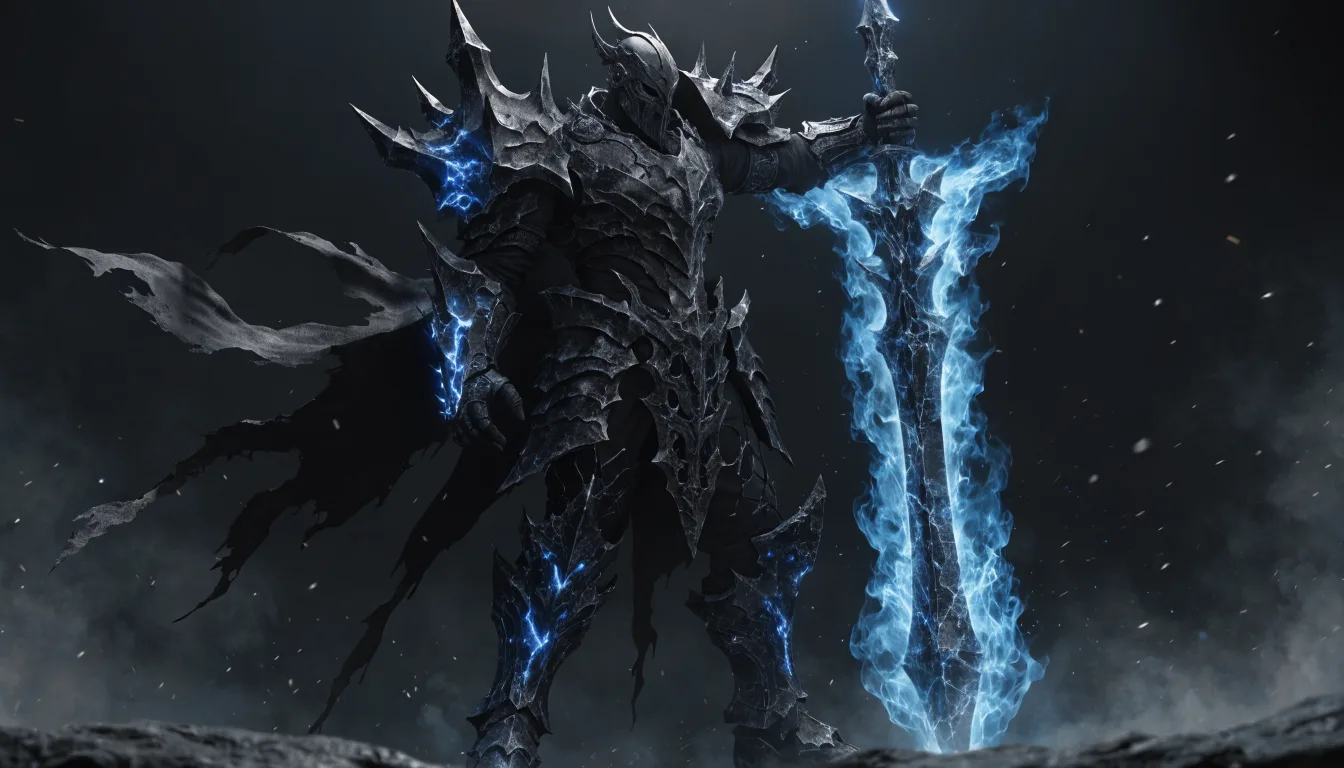
In the fantasy of Lineage II, the Death Knight is born from the classic "death knight" theme: a cursed fighter who trades mercy for strength and faces danger head-on. Visually, it's a heavy, imposing race — the kind that looks carved for melee combat.
If you like the idea of being the character who holds the line, dives into the middle of the fight and trades blows directly, the Death Knight fits that style very well. It's the kind of race that rewards players who enjoy instant action, without relying on complicated tricks to have fun.
Overview
| Profile | |
|---|---|
| Role | Front-line fighter (melee) |
| Style | Direct, aggressive close-range combat |
| Difficulty | Low — beginner-friendly |
| Number of classes | 12 |
The Death Knight is designed to be easy to understand: you close in, attack, and take the hits. That's why it tends to be a comfortable entry point for anyone playing Lineage II Essence for the first time.
Strengths
- Front-line durability. As a heavy warrior race, it tends to take enemy blows well, giving you room for error while you're still learning.
- Gentle learning curve. The melee style is simple to execute — get close and hit — so you have fun from the very first levels without memorizing complex combos.
- Great auto-hunt companion. Since fighting up close and holding monsters is its strong suit, it does well on automatic farming, leveling up with little micromanagement.
- Party presence. In a group, it naturally takes the role of the one who stands in front protecting the more fragile teammates, which makes it always welcome.
Weaknesses
- Short range. Because it relies on melee combat, it has to stick to the enemy — against ranged opponents this can be a nuisance.
- Limited mobility and versatility. It's a specialist at hitting up close, so don't expect the flexibility of a caster or ranged class to solve situations from afar.
- Gear-dependent. To keep tanking and dealing damage at higher levels, it feels it a lot when gear and attributes fall behind.
Death Knight classes
With the Death Knight you don't switch race as you progress: you follow a path of professions, growing stronger with each "class." The letters (H), (E) and (DE) indicate the character's origin (Human, Elf and Dark Elf), but the role is similar within each tier. Each class below has its own detailed guide here on the blog.
Starter
- Death Pilgrim (H) / (E) / (DE) — the race's starting point; here you learn the basics of fighting up close.
1st Class
- Death Blade (H) / (E) / (DE) — the first warrior evolution, focused on gaining more offensive power in melee.
2nd Class
- Death Messenger (H) / (E) / (DE) — a more mature intermediate step, with better tools for front-line combat.
3rd Class
- Death Knight (H) / (E) / (DE) — the final and most powerful form of the race, the complete dark warrior.
How to get started
For beginners, the best choice is simply to follow the natural path: start with the Death Pilgrim and evolve in sequence. There's no "catch" — the route is already designed to guide you.
- Create the character, choosing the Death Pilgrim in whichever origin you find prettiest (H, E or DE).
- Do the starter quests. They teach the controls, hand out basic gear and your first experience points.
- Turn on auto-hunt. In Essence, you can let the character hunt monsters automatically to level up while you calmly get to grips with the mechanics.
- Evolve the class as soon as the game unlocks each profession, going from Death Pilgrim up to Death Knight.
Common beginner mistakes
- Ignoring gear attributes. In Essence, upgrading and enchanting gear makes a huge difference — don't rely on level alone.
- Trying to fight from afar. The Death Knight performs when it's glued to the enemy; staying at range wastes the best of what it offers.
- Skipping the starter quests. They give rewards and teach the game; skipping them leaves you weaker and more lost than you need to be.
It's for you if…
- You like direct action and want to jump into the fight swinging, without complicated rotations.
- You're just starting out and want a race that forgives mistakes while you learn.
- You enjoy being the front line that protects the party and holds monsters up close.