Elf: beginner's race guide — classes, strengths and weaknesses
Everything a beginner needs to know about the Elf race in Lineage II Essence: identity, strengths and weaknesses, the 20 classes and how to start the right way.
In short: The Elf is the agile, elegant race of Lineage II, a master of ranged attacks and support magic. It is a versatile pick that works whether you want to fire arrows from afar or heal and protect your group.
In the world of Lineage II, Elves are children of the goddess Eva and guardians of the forests. They trade brute strength for speed, precision and harmony with magic — they are fast, evasive and elegant in everything they do.
In practice, that means a very flexible race: you can become a deadly archer, an elemental mage, a nimble assassin or a healer who keeps the group alive. If you like having options, the Elf is a great starting point.
Overview
| Profile | |
|---|---|
| Role | Ranged attack, magic and support |
| Style | Agile, precise and versatile |
| Difficulty | Beginner to intermediate |
| Number of classes | 20 |
The Elf covers nearly every role in the game. That makes it a friendly race for anyone still figuring out which playstyle they enjoy most.
Strengths
- Powerful ranged attack: elven archers strike from a distance, dealing damage before the enemy gets close. That is safe and very efficient for leveling up.
- Plenty of versatility: with 20 classes, the Elf has paths for warrior, mage, assassin and support. You are rarely locked into a single style.
- Agility and evasion: Elves tend to be fast and hard to hit, which helps you survive while you are still learning.
- Valuable group support: the Elf's healing and support classes are in high demand in parties, so finding a group is easy.
Weaknesses
- Lower toughness than heavy tanks: the Elf bets on speed, not thick armor, so it takes more damage if caught up close.
- Some classes depend on aim and position: archers and mages shine when well placed, but lose power if the enemy sticks to them.
- Gear curve for mages: magic classes need good MP and the right attributes to shine, which calls for a bit more care with the build.
Elf classes
Each class below has its own detailed guide on the blog. Here is a quick summary by tier:
Starter
- Elven Fighter: the base of elven warriors, focused on melee and physical ranged combat.
- Elven Mystic: the base of the spellcasters, the path of magic and support.
1st Class
- Elven Knight: a defensive warrior who holds the front line.
- Elven Scout: a nimble fighter built for speed and flanking.
- Elven Wizard: an offensive mage dealing elemental damage.
- Elven Oracle: holy support with early heals and buffs.
2nd Class
- Temple Knight: the elven tank who protects the group.
- Sword Singer: a warrior-bard who boosts the party with support songs.
- Plains Walker: a nimble assassin of fast strikes.
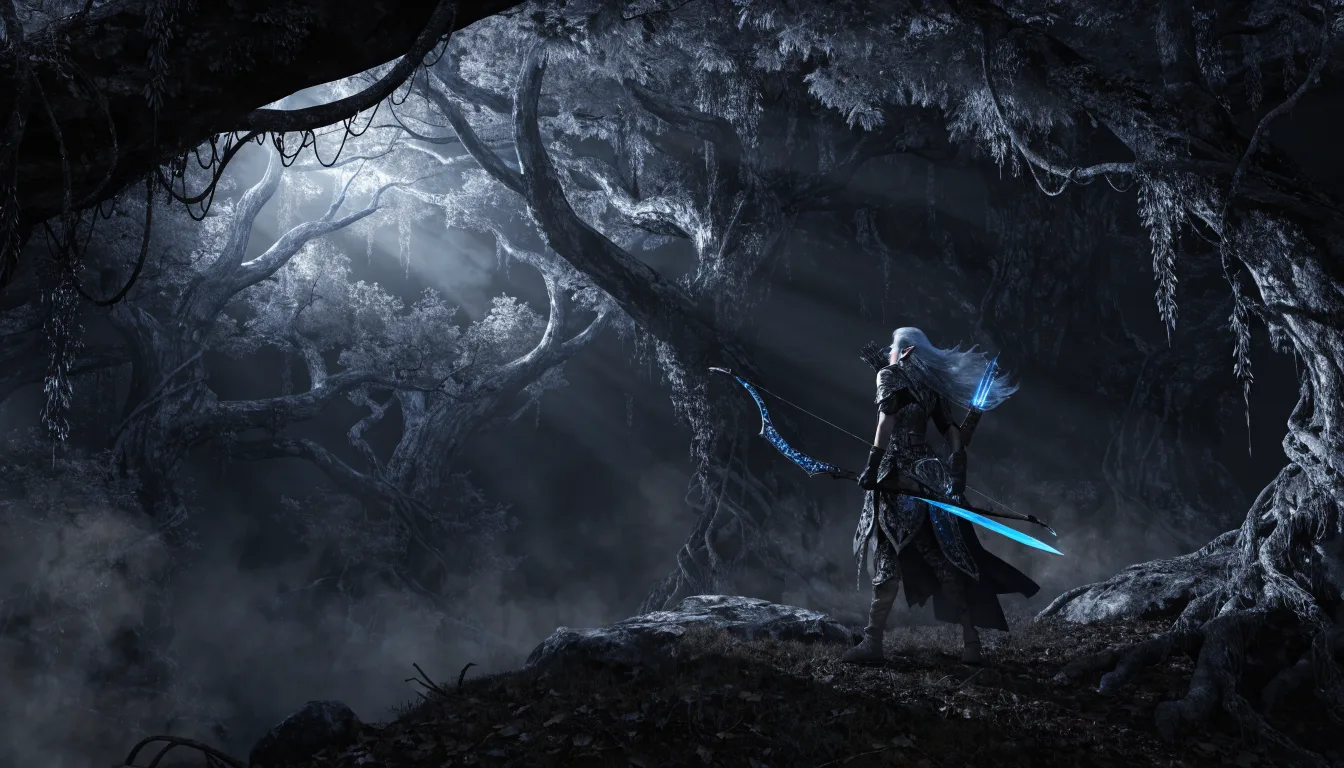
- Silver Ranger: a physical ranged-damage archer.
- Spellsinger: an elemental mage with strong area damage.
- Elemental Summoner: a summoner who fights alongside creatures.
- Elven Elder: an essential group healer and support.
3rd Class
- Eva's Templar: the tank's evolution, even tougher.
- Sword Muse: master of support songs, lifting the whole party.
- Wind Rider: an elite assassin, fast and lethal.
- Moonlight Sentinel: an elite archer with very high ranged damage.
- Mystic Muse: an elemental mage of maximum power.
- Elemental Master: an advanced summoner with strong creatures.
- Eva's Saint: the supreme healer, a pillar of any group.
How to start
For beginners, the smoothest path is the archer. Pick Elven Fighter and, at your first class change, go for Elven Scout on the way to Silver Ranger: attacking from afar is safe and forgives positioning mistakes.
- Create your character by choosing the Elf race and the starter class (Fighter for physical combat, Mystic for magic).
- Do the starting quests in your beginning area: they teach the basics and already hand out gear and experience.
- Turn on auto-hunt once it unlocks: your character hunts nearby monsters on its own, which makes leveling far faster and easier.
- Take your class changes as soon as you reach the required level — each one unlocks new skills.
Common beginner mistakes
- Ignoring gear attributes: items with the wrong bonuses waste the Elf's potential; always check that the attribute matches your class.
- Playing an archer glued to the enemy: the archer's strength is range — stay back and keep a clear line of fire.
- Not using auto-hunt and group support: leveling alone and by hand is much slower than making the most of parties and auto-hunting.
This race is for you if…
- You like attacking from afar and watching the enemy fall before it ever gets close.
- You want flexibility to try warrior, mage, assassin or support without switching race.
- You enjoy group play and being the person who keeps everyone alive and buffed.