High Elf: beginner's race guide — classes, strengths and weaknesses
Get to know the High Elf race in Lineage II Essence: identity, strengths and weaknesses, all classes, and how to take your first steps without mistakes.
In short: High Elves are the magical, noble race of Lineage II, masters of arcane energy and elegant combat. They're great if you want to deal ranged damage or support the party, but they need care so you don't die easily early on.
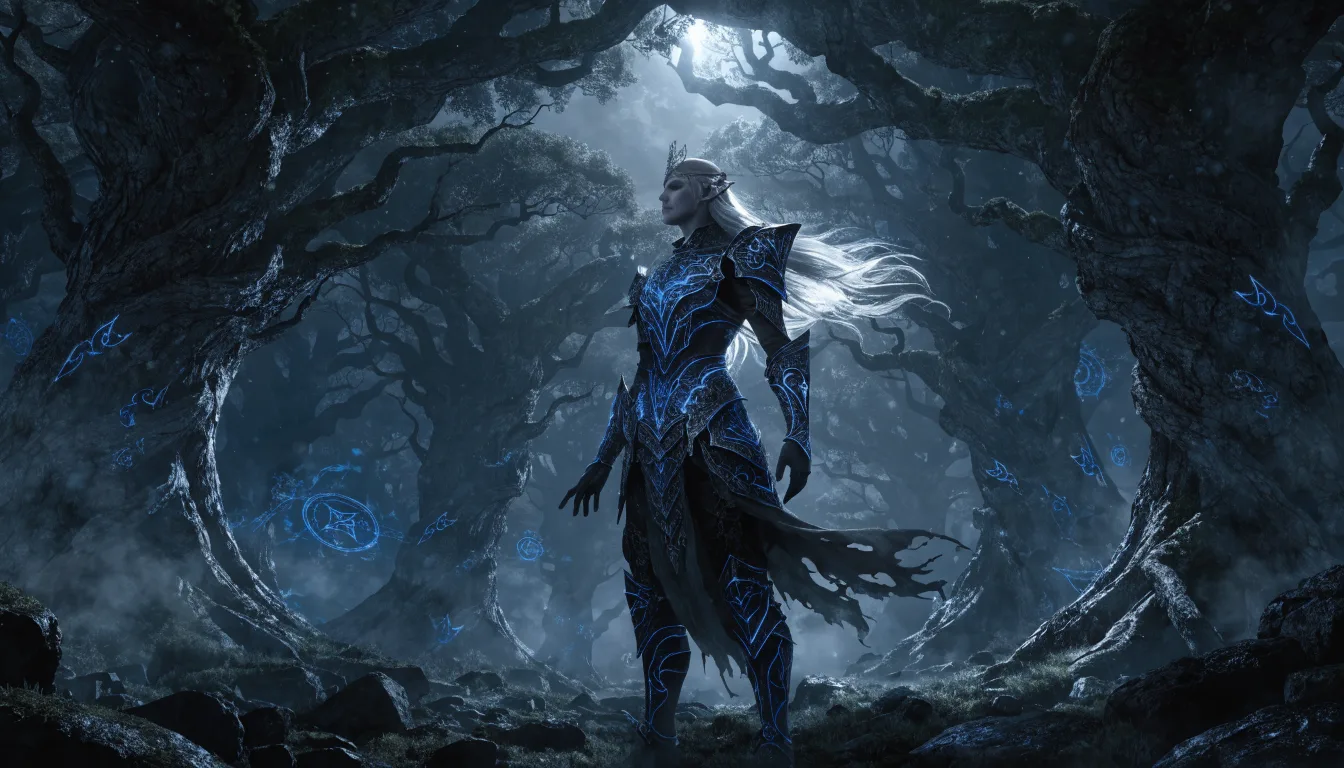
High Elves were born of light and magic. In the lore of Lineage II, they are a refined, proud people deeply tied to the arcane and divine arts. Where humans improvise, High Elves study, and it shows in how they play: precision, magical power and elegance on the battlefield.
If you picture your character casting spells that light up the screen, healing allies or cutting down enemies with almost supernatural grace, the High Elf suits you. It's a versatile race, with classes for those who love offensive magic, support, and also melee combat.
Overview
| Profile | |
|---|---|
| Role | Magic damage, support and versatile combat |
| Style | Magic/ranged with melee options |
| Difficulty | Medium |
| Number of classes | 16 |
The High Elf is a balanced race that rewards players who learn to position the character well. It shines at magic, but offers paths for every playstyle.
Strengths
- Standout magical power: the High Elf's magic classes deliver high damage and useful spells, great for clearing groups of monsters and speeding up leveling.
- Class versatility: you can be an offensive mage, a support that heals and protects, or an elegant warrior — you pick the role you enjoy most.
- Excellent in a party: with support and ranged damage, the High Elf is always welcome in groups, adding a lot to the team in hunts and raids.
- A rewarding learning curve: those who master positioning and spell order see the character perform well above average.
Weaknesses
- Fragile early on: magic classes usually have low health (HP) and die fast if caught up close, so stay alert in the first levels.
- Reliant on mana (MP): much of the power comes from spells that spend mana, and running out of MP mid-fight leaves you vulnerable.
- Demands good positioning: standing in the wrong spot, too close to enemies, is the most common cause of avoidable deaths.
High Elf classes
Each class below has its own detailed guide here on the blog. They evolve in stages: you begin in a Starter class, transition to 1st Class, then 2nd, and finally 3rd.
Starter Classes
- Element Weaver (Starter): the elemental mage path, focused on ranged arcane damage.
- Divine Templar (Starter): the base of a holy fighter, mixing attack and protection.
- Varkas (Starter): a line geared toward agile physical combat.
- RoseVain (Starter): a starting point leaning toward support and versatile magic.
1st Class
- Element Weaver (1st Class): cements the elemental damage mage identity.
- Divine Templar (1st Class): reinforces the tough, blessed warrior side.
- Varkas (1st) (1st Class): sharpens fast melee combat.
- RoseVain (1st) (1st Class): develops the support and utility role.
2nd Class
- Element Weaver (2nd Class): more magical power and new damage tools.
- Divine Templar (2nd Class): greater durability and combat impact.
- Varkas (2nd) (2nd Class): stronger physical attacks and mobility.
- RoseVain (2st) (2nd Class): more complete support for the party.
3rd Class
- Element Weaver (3rd Class): the peak of the elemental mage.
- Divine Templar (3rd Class): the holy templar in its most powerful form.
- Varkas (3rd) (3rd Class): the apex of the race's physical fighter.
- RoseVain (3st) (3rd Class): the final version of the support/versatility path.
How to start
For beginners, a ranged magic damage class like the Element Weaver line is a friendly choice: you attack from afar and kill monsters quickly, which makes leveling smoother. Those who prefer to survive longer and help the team can start with the support line.
- Create the character: choose the High Elf race and the starter class that matches your style.
- Do the starter quests: they give you basic gear, teach the controls, and hand out rewards that speed up the first levels.
- Use auto-hunt: the automatic hunting system makes your character attack monsters on its own. Keep it active in safe areas to level up while you learn the game — but watch your health and mana.
Common beginner mistakes
- Ignoring gear attributes: weapons and armor have attribute bonuses (fire, water, etc.). Reinforcing the right attribute greatly boosts your damage and defense — don't overlook it.
- Leaving auto-hunt in a dangerous spot: setting auto-hunt in an area with monsters that are too strong gets your character killed over and over. Level up in suitable areas.
- Forgetting to spend skill points and use buffs: many beginners don't update their skills or activate their reinforcement spells. Keep everything learned and active.
It's for you if…
- You love magic: you want to see powerful spells light up the screen and deal damage from range.
- You enjoy party play: you have fun cooperating, supporting, and being part of a strong team.
- You want versatility: you prefer a race that offers magic, support and combat, leaving the choice of role in your hands.