Orc: beginner's race guide — classes, strengths and weaknesses
Meet the Orc race of Lineage II Essence: the toughest warrior tribe in the game, its 13 classes, and how to take your first steps without slipping up.
In short: Orcs are the warrior, tribal race of Lineage II — strong bodies, lots of HP, and a straight-up fighting spirit. They're perfect for anyone who wants to get into the brawl, take a beating, and hit hard without any fuss.
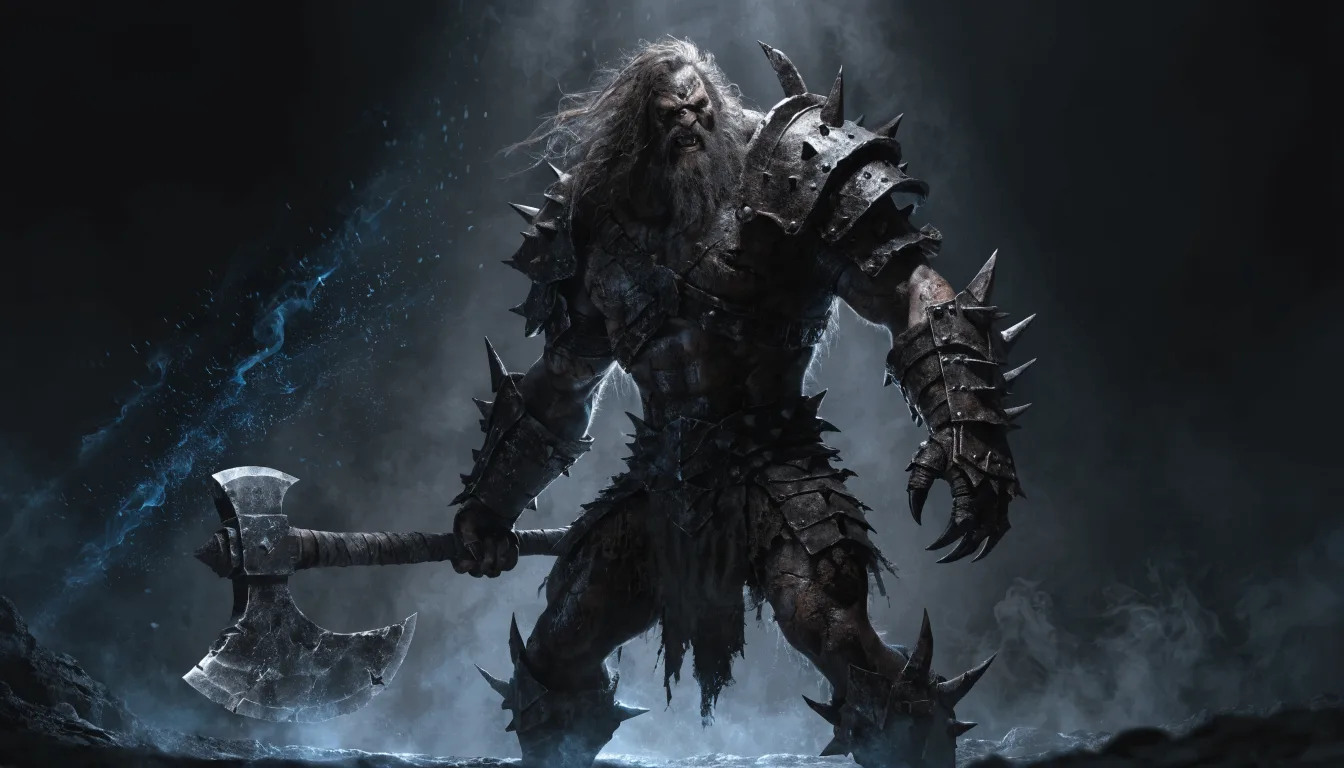
In Lineage II's lore, Orcs are a proud people, raised in the mountains and hardened by a tough life. They value physical strength above all and distrust complicated magic — when they fight, they fight head-on.
This translates into the game very clearly: the Orc is the most "tanky" and brute race. If you like the idea of a character who takes the enemy chest-to-chest and gives back double, this is your home.
Overview
| Profile | |
|---|---|
| Role | Front line (melee damage and resistance) |
| Style | Direct, aggressive physical combat |
| Difficulty | Easy to learn, great for starting out |
| Number of classes | 13 |
The Orc is a friendly choice for beginners because the gameplay is simple: get close, attack, and use your skills. You don't need to juggle a thousand resources to be useful right from the start.
Strengths
- High resistance. The Orc tends to have plenty of HP and takes damage better than other races, which forgives beginner mistakes and keeps you alive in tough moments.
- Raw physical damage. The Orc's fighting classes hit hard in melee, ideal for anyone who wants to see big numbers without relying on spells.
- Fighting spirit. The race shines in the thick of it: the closer it is to the enemy, the more dangerous it becomes.
- Smooth learning curve. Because it focuses on "get close and hit," it's one of the easiest races to understand for anyone who has never played L2.
Weaknesses
- Little range and magic. The Orc depends on getting close; enemies who attack from afar or run a lot can be a hassle.
- Limited mobility. It's generally a "heavier" race, so escaping or repositioning isn't always easy.
- Less magical versatility. Outside the support/mystic paths, the Orc doesn't bring the spell variety of other races.
Orc classes
The Orc has 13 classes, split by tier. Each one has its own detailed guide here on the blog — below is just the role of each.
Starter
- Orc Fighter — the starting point of every Orc warrior, focused on physical combat.
- Orc Mystic — the starting point of the race's mystic/support path.
1st Class
- Orc Raider — aggressive melee damage warrior.
- Monk — unarmed fighter, fast and technical.
- Orc Shaman — early support/mystic with tribal magic.
2nd Class
- Destroyer — a damage machine with heavy weapons, high risk and high reward.
- Tyrant — master of unarmed melee combat, fast strikes.
- Overlord — tribe leader with buffs and supportive magic for the group.
- Warcryer — war cries that strengthen allies.
3rd Class
- Titan — the Destroyer's evolution; devastating area and single-target damage.
- Grand Khavatari — the Tyrant's evolution; brutal, fast fists.
- Dominator — the Overlord's evolution; support and group control.
- Doom Cryer — the Warcryer's evolution; powerful buffs for the party.
How to get started
For your first Orc, the smoothest path is the Orc Fighter: it leads to the fighting classes (Raider/Destroyer/Tyrant), which are direct and tough. If you'd rather help the group, start as Orc Mystic, which opens the support paths.
- Create the character by choosing Orc and the starting class that matches your style.
- Do the starting quests in your beginning area — they teach the basics and already give you gear and experience points.
- Use auto-hunt to level up: the character attacks monsters on its own, picks up items, and keeps the XP flowing while you watch and adjust whatever is needed.
- Change class when you reach the right levels, following the tier you chose.
Common beginner mistakes
- Ignoring gear. A strong Orc still needs a good weapon and armor; don't go around swinging with only what came by default.
- Trying to fight from afar. The Orc was built for melee — stay close to the enemy to use your skills well.
- Forgetting your skills. Don't rely only on the basic attack; open the skill list and use what your class offers.
It's for you if…
- You want to take a beating. You like being the front line that doesn't go down easily.
- You prefer simplicity. You want a direct "get close and hit" style without micromanaging spells.
- You enjoy raw power. You dream of seeing big damage numbers and dominating melee.